Commentary: When public health fails, immunocompromised children and physicians (like me) are put at risk
Published in Health & Fitness
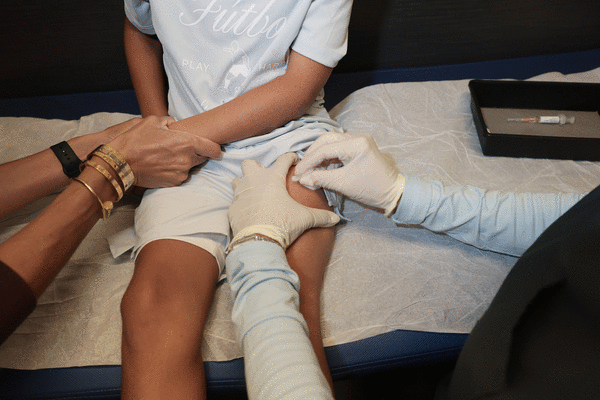
I’m a doctor and I surround myself with sick children for a living. I’m also immunocompromised; any given day that I go to work, I could catch a virus that could hurt me, so I know how it feels to be vulnerable.
When I received my cancer diagnosis, my doctor said: If you were going to live until 80 before, you could live until 80 now. The kind of cancer I have — chronic lymphocytic leukemia — is insidious. It’s the most common kind of leukemia in adults, and there are new treatments coming out at a rapid pace, for which I am grateful, but there is no cure. The affected white blood cells will likely slowly crowd out my bone marrow as time passes, leaving me with less room for red blood cells and healthy white blood cells. It’s already happening, which is why I am immunocompromised. Still, right now, I’m otherwise healthy.
This is exactly the same process I see when I take care of children with leukemia, though usually on a more accelerated and therefore more dangerous level. It’s exactly why they are at risk of all kinds of infections.
People with leukemia need help: We need to be surrounded by people who are vaccinated, and we’re not. Infants still have a developing immune system, and they are also vulnerable. I have cared for literally thousands of children with RSV in the pediatric intensive care unit, both before and after the vaccine became available. I have cared for hundreds of children with influenza, many if not most of whom were unvaccinated. I have cared for a handful of children with pertussis, most of whom were too young to get vaccines. The consequences are not just for children who are admitted to the PICU. There are many long-lasting impacts of these viruses, even in otherwise healthy children.
I applaud curious parents. They take on the weight of every decision they make about their child’s life and overall health. I love talking to the parents of children in the PICU. I get teased at work for making an effort to know every parent’s name, every sibling’s name. I welcome the opportunity to get to know them and to talk to them about how to keep their child healthy after they leave my care.
As an example, we talk about why RSV and influenza affect children. The respiratory system is essentially made up of tubes and balloons. Of course, the smaller the child, the smaller the airway. When there is inflammation of the airway, the radius of the tube shrinks; when there is extra mucous, the tube is more likely to clog up. This combined effect makes it so difficult sometimes for them to breathe without assistance. I can support the child’s breathing until their body can beat the virus, but I would rather be able to prevent the virus in the first place. That’s where vaccines help.
Health is not just whether or not a child is sick in the hospital; it is an overall state of well-being.
The rates of vaccination in children are declining, and it is now below the 95% level we need for community protection. The community affects the health of children. Contributing to a community means contributing to the immunity of the community. When the overall health of the community is better, the overall health of children is better. In Illinois, we have had 23 cases of measles this year, two-thirds of whom are children.
Vaccines are a tool, a modern miracle that can protect kids. A child’s own immune system is also a marvel; it is constantly exposed to new things and learning how to protect that particular child. That’s why timing is so important: The current vaccine schedule is timed with the child’s developing immune system so that they get the most benefit from it.
Pediatricians care about you, your child, and your community. I can relate to making decisions that affect a child, and I can relate to a child who is vulnerable to getting infectious diseases. I choose to take calculated risks because it is my life’s calling to take care of children in the hospital. It breaks my heart to see children in the hospital from the same things I am at risk from.
We are here to help every child reach their full potential, to help them live and grow and develop into exactly who they are meant to be. If you are curious about the whys behind vaccines or schedules or any other child health concern, please reach out to your pediatrician.
_____
ABOUT THE WRITER
Deanna Behrens MD, FAAP is the Secretary of the Illinois Chapter of the American Academy of Pediatrics and a Fellow of the American Academy of Pediatrics.
___
©2026 Tribune Content Agency, LLC.


Comments