Mayo Clinic Q&A: Beyond coughing: Wildfire smoke’s health risks
Published in Health & Fitness
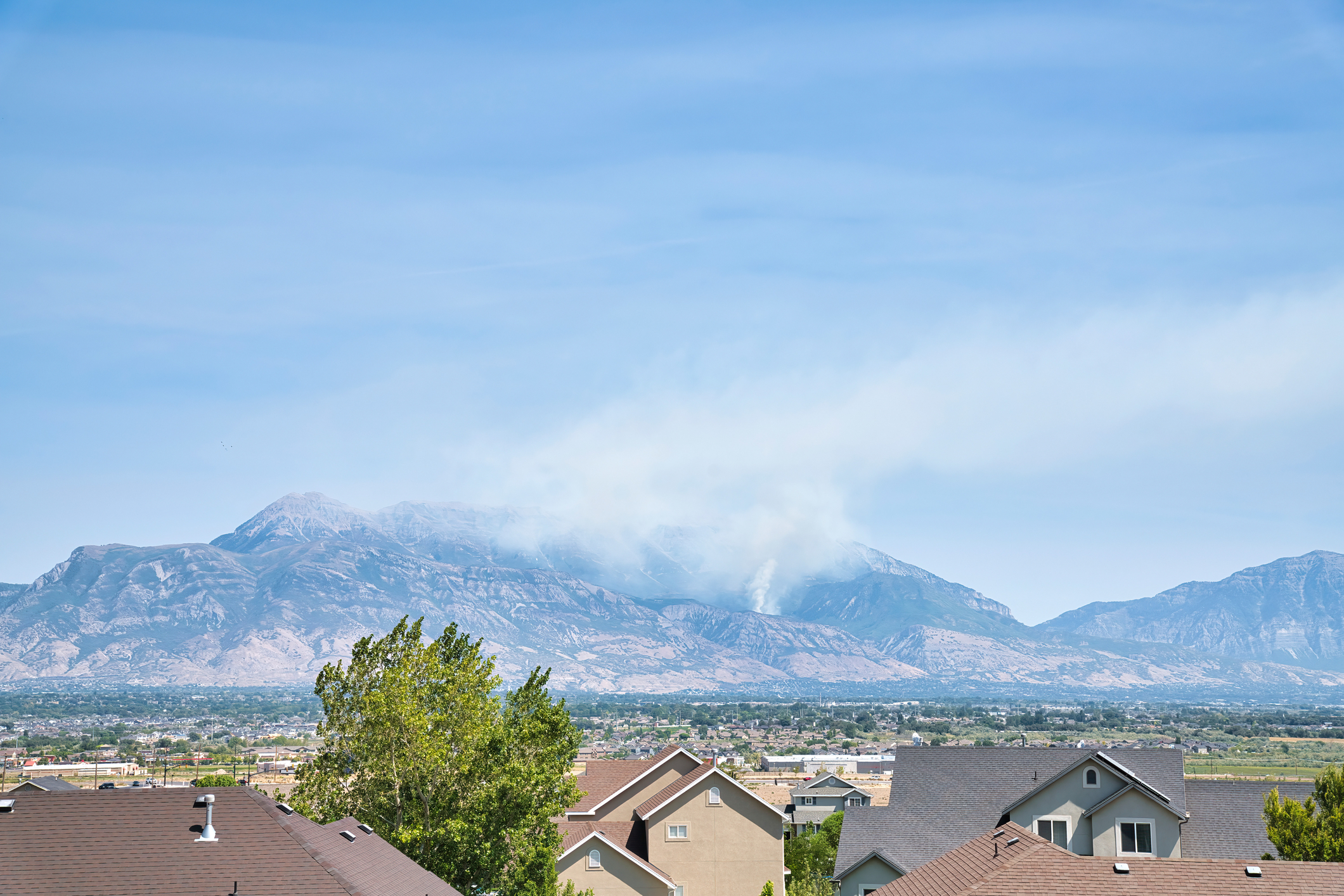
DEAR MAYO CLINIC: We’re living in an area that’s seeing increasing episodes of wildfire smoke. I’m concerned about how it could be affecting our health. Should we be concerned?
ANSWER: As wildfires become increasingly common throughout the U.S. and neighboring Canadian provinces, the smoke from these fires should be taken seriously. Air quality may be affected in those regions and even trigger respiratory health issues thousands of miles away.
The dangers of wildfire smoke
The composition of wildfire smoke includes various pollutants; those with ultrafine particles pose the most significant threat because they can infiltrate deep into the lungs. This can trigger inflammation and exacerbate preexisting respiratory conditions.
Smoke contains an array of respiratory irritants, including hydrocarbons and other organic chemicals, which can cause symptoms ranging from coughing and wheezing to chest tightness and shortness of breath.
Wildfire smoke can also affect your cardiovascular health. Fine particulate matter can potentially enter the bloodstream, where it can bring on systemic inflammation and worsen cardiovascular conditions.
The health effects of breathing in wildfire smoke may include:
People with preexisting heart disease or high blood pressure may experience symptoms from elevated levels of wildfire smoke, including chest pain, palpitations and fatigue.
Children are particularly susceptible to environmental pollutants because their respiratory systems are still developing.
While it can be challenging to keep children indoors, especially when the weather appears pleasant, it’s crucial to be aware of the weather conditions and the air quality. If the air quality is marginal, it’s OK for children to spend limited time outside. If the air quality is bad, find an alternative activity indoors until the air quality has improved.
Older adults with compromised lung function and reduced tolerance to respiratory stressors should pay particular attention to air quality during wildfire events and adjust their activities.
Managing chronic conditions
People with preexisting respiratory conditions, such as asthma, chronic pulmonary obstructive disease (COPD) and bronchitis, are at elevated risk of worsening symptoms and respiratory distress during times of poor air quality. If you need relief from pervasive smoke, seek sanctuary in indoor environments with filtered air conditioning systems.
Those who are managing chronic respiratory conditions should talk to their healthcare team about how to handle times when outdoor air quality is poor. Be sure that you have a sufficient supply of medications, including rescue inhalers and controller medications. Establish an action plan that outlines steps to manage any symptoms and when to seek care, if needed, for any wildfire smoke exposure.
Be aware of air quality in your area
Monitoring air quality indexes and advisories is crucial to minimizing exposure to harmful pollutants.
Just as you check the weather forecast each day, check the air quality index for your area. And just as you’d carry an umbrella to be prepared for rain, think about carrying personal protective equipment like an N95 respirator mask, which does a great job filtering out small particles from wildfire smoke.
The U.S. Air Quality Index (AQI) measures air pollution according to the Clean Air Act of the Environmental Protection Agency (EPA). The AQI has six color-coded categories to help you quickly determine the air quality in your community.
Visit AirNow or download the app for real-time updates and guidance on whether your area is affected by smoke and fire. It’s a valuable resource for monitoring air quality indexes and accessing needed information during wildfire events.
—Mark Norton, M.D., Pulmonology and Intensive Care, Mayo Clinic Health System, La Crosse, Wisconsin
(Mayo Clinic Q & A is an educational resource and doesn’t replace regular medical care. This Mayo Clinic Q&A represents inquiries this healthcare expert has received from patients. For more information, visit www.mayoclinic.org.)
©2026 Mayo Foundation for Medical Education and Research. All Rights Reserved. Distributed by Tribune Content Agency, LLC.









Comments