Virginia reports state's first measles death of 2026; health officials urge vaccination
Published in News & Features
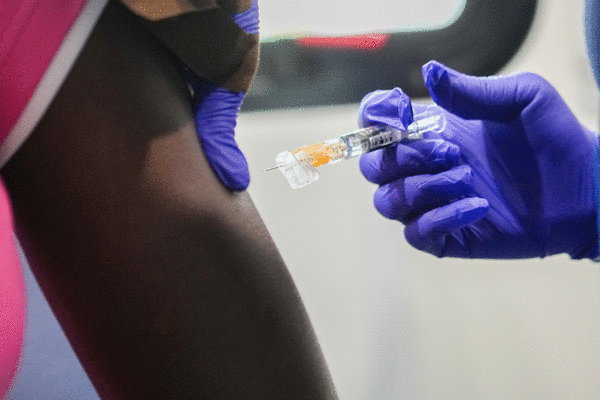
NORFOLK, Va. — Virginia health officials announced Friday that a child under the age of 4 has died from measles amid a second surge of the once-eliminated disease this year.
It’s the state’s first measles-related death of 2026. The Virginia Department of Health on Friday reported that 41 new cases have been identified in central Virginia since Oct. 17, of which 33 were in Charlotte County. All of these cases were in people who either had not received the MMR (measles, mumps, rubella) vaccine or didn’t know their vaccination status, according to VDH.
VDH is urging residents to stay home if they’re experiencing measles symptoms, check their vaccination status and avoid large gatherings in areas where measles cases have been identified.
News of the surge comes days after an independent commission of the World Health Organization determined that the United States – along with Bolivia and Mexico – lost its measles elimination status, which it held since 2000.
Virginia has seen 220 measles cases as of Thursday, which is more than in the previous 34 years combined and the highest annual total since 1988, VDH data show. Of these cases, 68% were among people younger than 18 and 97% of the total cases were not related to international travel.
In Hampton Roads this year, one measles case has been identified, in Virginia Beach, according to VDH. Dr. Laurie Forlano, director of VDH’s Office of Epidemiology, cautioned that there are likely more cases that have not been reported.
Measles is “extraordinarily contagious” and can spread rapidly in populations with a low vaccination rate, according to Forlano. The Centers for Disease Control and Prevention states that measles symptoms start with a high fever, cough, runny nose and red eyes during the first two weeks of infection. As early as two days after the onset of symptoms, it progresses to white spots inside the mouth and at 3-5 days a red rash will spread over the body.
Forlano said Virginia is highly vaccinated but the rates vary across different communities, leaving gaps in coverage that easily become hotbeds for measles. Contributing factors in the growing spread of the disease are shifts in parental attitudes toward vaccination and changes in vaccine confidence, she said.
The MMR vaccination rate in Virginia dropped from 95.7% in 2015 to 93.6% in 2025, alongside an increase in religious exemptions over that same time period, from 0.9% to 2.7%. This tracks with national data showing an increase in nonmedical exemption rates from 1.9% in 2015 to 4% in 2025 and a decrease in MMR vaccine coverage rate in kindergarteners from 94.7% in 2015 to 92.4% in 2025.
VDH is spending “available financial resources” on local efforts to support vaccination access and health education efforts in impacted communities, Forlano said in an email. She noted that conversations with parents and caregivers must be done with an understanding that “many families today have never personally experienced measles because previous generations were so successful in preventing it.”
Of the cases identified this year, 154 stem from an outbreak in Buckingham and Cumberland counties that lasted from May 5 to Aug. 19. All cases in this outbreak were also in people who didn’t get the MMR vaccine or didn’t know their vaccination status, VDH data shows. Only two cases in the state this year were in vaccinated people.
Two doses of the MMR vaccine provides 97% protection, according to VDH. To request your vaccination record, go to the VDH website. Free or low-cost MMR vaccines are available at many pharmacies, pediatric offices or local health departments.
Virginia State Health Commissioner Dr. Cameron Webb said in a news release that this generation of children facing a greater risk from measles than the previous generation is “not a reality we should be willing to accept,” and that restoring protection from measles will take more than reminding families that vaccines are safe and effective.
“We know how to prevent measles because we’ve done it before … It requires renewed conversations about the risks of measles, the protection vaccination provides, and the responsibility we share to keep our communities healthy,” Webb said. “This is not a moment for resignation or blame. It’s a moment for action, and I’m confident that by working together, we can reverse this trend.”
_____
©2026 The Virginian-Pilot. Visit at pilotonline.com. Distributed by Tribune Content Agency, LLC.

Comments